


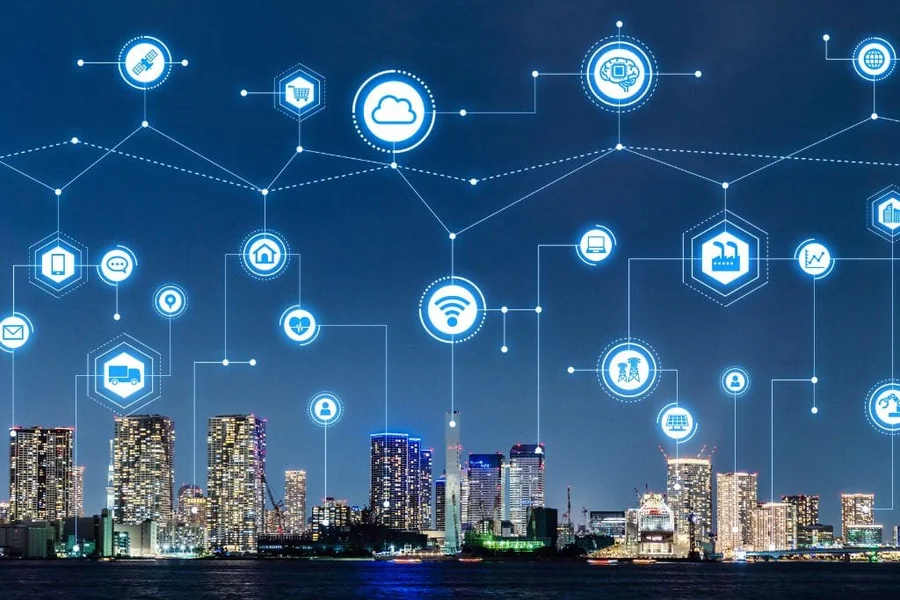
Smart cities are transforming the way people live work and interact with their surroundings. As urban populations continue to grow cities face increasing pressure to provide efficient transportation reliable utilities better healthcare and safer environments. Traditional systems often struggle to meet these demands which is why many governments and organizations are investing in smart city technologies.
Smart city technologies use digital tools connected devices artificial intelligence and data analytics to improve urban services and infrastructure. These innovations help cities become more efficient sustainable and responsive to the needs of residents.
The concept of a smart city goes beyond simply adding technology. It focuses on using information and digital solutions to improve quality of life while reducing costs and environmental impact. From intelligent traffic systems to smart energy grids technology is reshaping modern urban development.
Understanding smart city technologies can help citizens businesses and policymakers prepare for a future where digital innovation plays a central role in everyday life.
What Are Smart City Technologies?
Smart city technologies are digital systems designed to improve the management and operation of urban environments. These technologies collect analyze and use data to optimize services and infrastructure.
A smart city connects different systems such as transportation utilities public safety healthcare and communication networks through digital platforms. Information gathered from sensors cameras connected devices and software applications helps city officials make informed decisions.
The primary goals of smart city technologies include:
- Improving efficiency
- Reducing operational costs
- Enhancing public services
- Increasing sustainability
- Supporting economic growth
- Improving quality of life
Technology allows cities to respond more effectively to challenges such as traffic congestion pollution population growth and resource management.
Rather than relying solely on traditional methods smart cities use real time information to identify problems and implement solutions quickly.
This data driven approach helps create urban environments that are more adaptable resilient and citizen focused.
Smart Transportation Systems and Mobility Solutions
Transportation is one of the most important components of any city. Traffic congestion fuel consumption and public transportation challenges can significantly impact daily life.
Smart transportation technologies help improve mobility by using data analytics sensors and artificial intelligence to manage traffic flow and transportation networks.
Intelligent traffic management systems monitor road conditions and adjust traffic signals based on current conditions. This reduces congestion and improves travel times.
Public transportation systems use real time tracking technologies that allow passengers to view arrival times and route updates through mobile applications.
Smart parking solutions help drivers locate available parking spaces quickly. This reduces traffic caused by vehicles searching for parking and decreases fuel consumption.
Ride sharing platforms and connected transportation services provide flexible mobility options for residents.
Autonomous vehicle technologies are also becoming part of smart city planning. While widespread adoption may take time self driving transportation systems have the potential to improve safety and efficiency.
These innovations contribute to smoother transportation experiences while reducing environmental impact.
Smart Energy and Sustainable Infrastructure
Energy management is a critical aspect of smart city development. Growing populations increase demand for electricity and utilities making efficient resource management essential.
Smart energy systems use digital technologies to monitor energy consumption and optimize distribution. Smart grids can automatically adjust power delivery based on demand and identify issues before they become major problems.
Smart meters provide detailed information about energy usage allowing residents and businesses to make informed decisions about consumption.
Renewable energy sources such as solar and wind power are often integrated into smart city infrastructure. Digital systems help manage energy production and storage more effectively.
Smart lighting systems reduce electricity consumption by adjusting brightness based on environmental conditions and activity levels.
Buildings equipped with intelligent energy management systems can automatically regulate heating cooling and lighting to improve efficiency.
These technologies support sustainability goals while reducing costs and environmental impact.
As climate concerns continue growing smart energy solutions will play an increasingly important role in urban development.
Public Safety Healthcare and Citizen Services
Improving public safety and healthcare is another major objective of smart city initiatives. Technology helps cities respond more effectively to emergencies and provide better services for residents.
Smart surveillance systems use cameras sensors and analytics to monitor public areas and identify potential safety concerns. These systems can help authorities respond more quickly to incidents.
Emergency response teams benefit from real time communication platforms that improve coordination during critical situations.
Healthcare services are also being enhanced through digital innovation. Telemedicine platforms allow patients to consult healthcare professionals remotely improving accessibility and convenience.
Connected healthcare devices enable continuous monitoring of patient health conditions. This helps medical providers detect issues early and improve treatment outcomes.
Smart city applications often provide residents with Theboringmagazine com easy access to government services information and community resources.
Citizens can report infrastructure problems submit service requests and receive important updates through digital platforms.
These technologies create stronger connections between residents and public service providers while improving overall quality of life.
The Future of Smart Cities and Urban Innovation
The future of smart cities is closely tied to advances in artificial intelligence connectivity and automation. Emerging technologies will continue expanding the capabilities of urban systems.
Artificial intelligence will play a larger role in analyzing data predicting trends and automating decision making processes. This will help cities operate more efficiently and respond proactively to challenges.
Fifth generation wireless networks provide faster connectivity supporting millions of connected devices throughout urban environments.
The Internet of Things will continue growing as more infrastructure systems become connected and capable of sharing information.
Digital twins are another emerging innovation. These virtual models of cities allow planners to simulate changes evaluate scenarios and improve decision making.
Sustainability will remain a central focus. Smart technologies will help cities reduce emissions conserve resources and support environmental goals.
As technology advances smart cities will become more intelligent adaptable and responsive to the needs of residents.
Urban innovation is expected to create safer cleaner and more efficient communities around the world.
Final Thought
Smart city technologies are transforming urban environments by making them more efficient sustainable and connected. Through the use of digital systems artificial intelligence data analytics and connected devices cities can improve transportation energy management public safety healthcare and citizen services.
The goal of a smart city is not simply to add technology but to create better experiences for residents while addressing complex urban challenges. By using information intelligently cities can optimize resources improve decision making and enhance quality of life.
As populations continue growing and urbanization accelerates smart city technologies will become increasingly important. Governments businesses and citizens all have a role to play in supporting innovation and embracing digital transformation.
The future of urban living will be shaped by technology and smart cities are leading the way toward a more connected efficient and sustainable world.
FAQs
What is a smart city?
A smart city uses digital technologies data analytics and connected systems to improve urban services infrastructure and quality of life.
Why are smart city technologies important?
They help cities improve efficiency reduce costs enhance sustainability and provide better services for residents.
What technologies are used in smart cities?
Common technologies include artificial intelligence sensors smart grids connected devices data analytics and high speed communication networks.
How do smart transportation systems work?
They use real time data sensors and analytics to manage traffic improve public transportation and reduce congestion.
Are smart cities environmentally friendly?
Yes. Smart cities often use energy efficient systems renewable energy and resource management technologies that support sustainability goals.
How does artificial intelligence help smart cities?
AI analyzes large amounts of data identifies patterns predicts trends and supports automated decision making for city operations.
What is the future of smart cities?
Future smart cities will use advanced AI connected infrastructure autonomous systems and sustainable technologies to create more efficient urban environments.
