


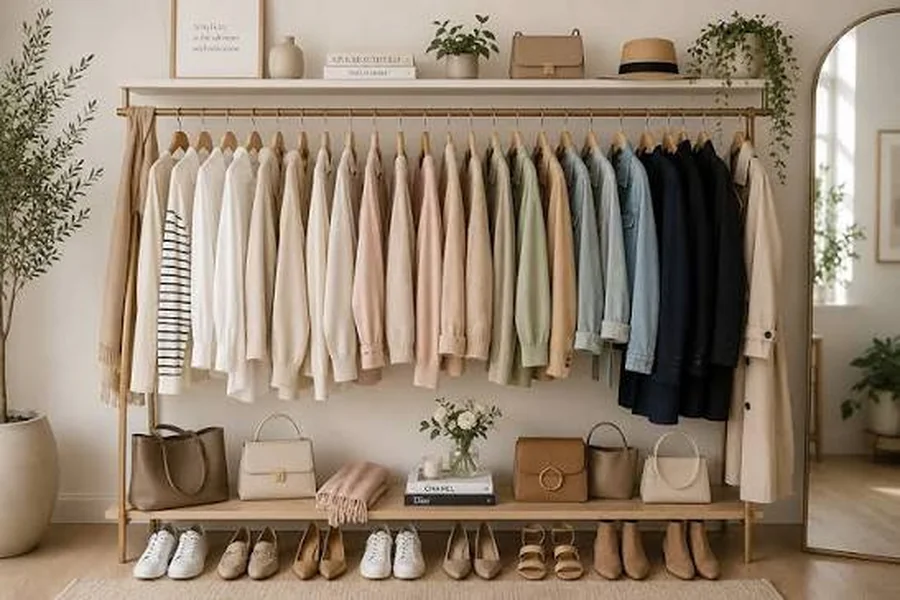
Fashion is more than wearing the latest clothes. It is a simple way to show your personality and feel confident in what you wear. Good fashion does not always mean buying expensive outfits or following every new trend. It is about understanding what works for you and choosing pieces that fit your lifestyle.
A stylish wardrobe can make getting dressed much easier. When your clothes fit well and work together you can create many outfits without owning a huge collection. The right colors and simple basics can also help you feel ready for work casual outings family events and special occasions.
Fashion changes often. New colors cuts and styles appear every season. Yet some fashion choices remain useful for years. A well-fitted shirt a comfortable pair of jeans and a classic jacket can stay relevant even when trends change.
The goal is not to copy someone else’s style. Your wardrobe should feel like you. It should match your daily routine your comfort level and your personality. With a few smart choices you can create a look that feels natural and polished.
Understanding Your Personal Fashion Style
Personal style starts with knowing what you enjoy wearing. Some people prefer simple and clean outfits. Others enjoy bold colors patterns or unusual accessories. There is no single correct fashion style.
Start by looking at the clothes you already wear often. Think about why you like them. Maybe they are comfortable. Maybe the colors suit you. Perhaps the shape makes you feel confident. These small details can help you understand your personal style.
You can also notice the outfits you save online or see in magazines. Look for patterns in your choices. You may notice that you prefer neutral colors or relaxed clothing. You might also find that you enjoy a more formal appearance.
Comfort should always have a place in your style. A beautiful outfit is not very useful if you cannot move comfortably or feel like yourself. Fashion should support your confidence rather than make you feel uncomfortable.
Your style can also change over time. What you loved a few years ago may not feel right today. That is normal. Your lifestyle changes and your fashion choices can change with it.
Instead of choosing one strict style label focus on the clothes that make you feel good. This approach makes fashion more personal and much easier to manage.
Building a Wardrobe With Essential Pieces
A strong wardrobe usually starts with basic pieces. These are clothes that can work with many other items. They may not always look exciting on their own but they create the foundation for many outfits.
A few well-fitted tops can be very useful. Choose colors that are easy to combine. White black navy gray beige and other simple shades can work with many outfits.
Good trousers are another important part of a wardrobe. A pair of comfortable jeans can work for casual days. A pair of tailored trousers can create a more polished appearance. Depending on your lifestyle you may also want chinos or relaxed pants.
Outerwear can change the appearance of an outfit quickly. A simple jacket can make casual clothes look more structured. A lightweight sweater can add comfort during cooler weather.
Shoes should also be chosen carefully. You do not need dozens of pairs. A few versatile options can cover most situations. Choose footwear that matches your lifestyle and can be worn comfortably for long periods.
Accessories can complete a look. A watch a belt a scarf or a simple bag can add personality without making an outfit complicated.
The key is versatility. Before buying something new ask yourself whether you can wear it with at least three other pieces in your wardrobe. If the answer is no you may want to think twice.
Choosing Colors That Work Together
Color can have a major effect on fashion. The right combination can make a simple outfit look carefully planned.
If you are unsure where to begin start with neutral colors. Black white gray navy brown and beige are easy to combine. They can also provide a calm background for stronger colors.
Once you feel comfortable with neutrals add one or two colors that you enjoy. You could use a colorful shirt with neutral trousers. You could also add a bright accessory to a simple outfit.
Think about balance. Wearing several strong colors at once can create a bold look. That can work when it matches your personality. If you prefer a quieter appearance keep most of the outfit neutral and use one noticeable color.
Patterns should also be considered. Stripes checks and small prints can add interest. If one piece has a strong pattern keep the rest of the outfit simple. This helps the overall look feel balanced.
Your skin tone and hair color may also affect how certain shades look on you. Try different colors in natural light and pay attention to which ones make you feel comfortable.
There are no absolute rules in fashion. Color choices should help you express yourself. The most important thing is that the final combination feels intentional rather than accidental.
Finding the Right Fit and Comfort
Fit is one of the most important parts of fashion. Even an expensive item can look unpolished if it does not fit properly.
Clothes should allow you to move naturally. Shirts should not feel too tight around the shoulders. Trousers should allow comfortable movement. Jackets should sit properly across the shoulders.
Very loose clothing can sometimes hide your shape. Very tight clothing can make you feel restricted. The best fit usually provides enough room for movement while keeping a clean shape.
Pay attention to small details. Sleeves should end at a comfortable point. Trouser lengths should work with your shoes. Waistbands should stay in place without causing discomfort.
If possible try clothes before buying them. Walk around and sit down. Move your arms. These simple actions can show whether the garment will be comfortable during a normal day.
Tailoring can also improve the appearance of clothing. Small adjustments blinglelawsuit to trousers jackets or shirts can make a major difference. You do not always need to replace an item just because the fit is slightly off.
Comfort matters because you are more likely to wear clothes that feel good. Fashion should not be a daily struggle. When your clothes fit properly you can focus on your day instead of adjusting your outfit constantly.
Making Fashion Work for Different Occasions
Different situations often require different types of clothing. Understanding this can help you dress appropriately without losing your personal style.
For everyday casual wear focus on comfort and simplicity. Jeans trousers basic shirts sweaters and casual shoes can create easy combinations. You can add an accessory when you want more personality.
Workwear depends on your workplace. A formal office may require tailored clothing while a relaxed workplace may allow smart casual outfits. Pay attention to the expectations of your environment.
For social events you can add more detail. A better jacket polished shoes or a statement accessory can make an everyday outfit feel more special.
Special occasions often require more planning. Consider the location time of day and dress code before choosing your clothes. It is usually better to be slightly more polished than to arrive feeling underdressed.
Travel also requires practical fashion choices. Select pieces that are comfortable and easy to combine. Clothes that resist wrinkles and work across different outfits can save space in your luggage.
Weather should always influence your clothing decisions. Light fabrics can be useful in hot weather while layers are helpful in cooler conditions. The best outfit is one that looks good and works for the environment.
Fashion becomes easier when you understand the purpose of each outfit. You can then make simple changes instead of buying a completely new wardrobe for every occasion.
Shopping Smarter and Avoiding Fashion Waste
Shopping can be enjoyable but buying too many clothes can quickly create a crowded wardrobe. Smart shopping means thinking about value rather than simply buying more.
Before purchasing something ask yourself why you want it. Do you need it or do you simply like the way it looks in the moment? Waiting a day before making an unnecessary purchase can help you decide.
Quality is also worth considering. A well-made garment may cost more at first but can remain useful for a longer period. Look at the stitching fabric and construction before buying.
You should also think about how often you will wear an item. A versatile piece that works in several outfits can offer more value than something you will wear once.
Avoid buying clothes only because they are trending. Trends can be fun but they often change quickly. If you enjoy a trend choose a small item rather than rebuilding your entire wardrobe around it.
Taking care of your clothes can also reduce waste. Follow washing instructions and store garments properly. Repair small problems before they become larger ones.
Secondhand shopping can be another useful option. You may find quality pieces at lower prices while giving existing clothing another life.
A thoughtful wardrobe is not about having fewer clothes simply for the sake of having fewer clothes. It is about owning items that serve a purpose and that you genuinely enjoy wearing.
Fashion FAQs
What is the most important rule in fashion?
The most important rule is to wear clothes that fit your body and lifestyle while making you feel comfortable. Trends can provide inspiration but personal confidence matters more.
How can I look stylish without spending a lot?
Start with basic pieces that can be combined in different ways. Focus on fit and keep your colors coordinated. Simple accessories can also make an affordable outfit look more polished.
How many clothes should I own?
There is no perfect number. Your wardrobe should match your lifestyle. Someone who works from home may need fewer formal clothes while someone who attends regular business events may need more options.
How do I know what colors suit me?
Try different shades in natural light. Notice which colors make you feel confident and which ones work well with your existing wardrobe. Neutral colors are a good starting point.
Are fashion trends important?
Trends can be fun but they are not necessary. Choose trends that match your personal style instead of following every new look. Classic pieces can provide a stronger foundation.
How can I make an old outfit look new?
Change the accessories or add another layer. A different pair of shoes a new bag or a jacket can give an old outfit a fresh appearance. You can also try wearing the same pieces in a different combination.
What makes an outfit look expensive?
Good fit clean clothing and thoughtful combinations often make a bigger difference than price. Neutral colors and simple accessories can also create a polished appearance.
How can I improve my fashion style?
Start by identifying the clothes you enjoy wearing. Remove items that do not fit well or match your lifestyle. Then build around versatile pieces that you can combine easily.
Is comfort more important than fashion?
Comfort and fashion do not need to compete. The best outfits usually provide both. Choose clothing that looks good while allowing you to move and feel comfortable.
How often should I update my wardrobe?
There is no fixed schedule. Replace clothing when it becomes worn out or no longer fits your needs. Add new pieces when they provide a clear purpose rather than simply because a new season has arrived.
Final Thought
Fashion does not have to be complicated. A good personal style comes from understanding what you like and choosing clothes that fit your life.
Start with useful basics. Pay attention to fit and comfort. Choose colors that work together and add personality through accessories. You do not need a huge wardrobe to create attractive outfits.
The best fashion choices are often the ones you can wear with confidence. Instead of chasing every trend focus on building a wardrobe that feels natural and practical.
Fashion should make daily life easier rather than harder. When your clothes reflect your personality and support your lifestyle getting dressed becomes a simple and enjoyable part of your day.
